


The Solomonic Dynasty
The Foundation
QUEEN OF SHEBA
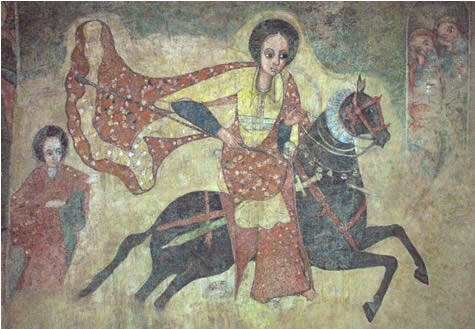
The Royal family of Ethiopia claims its origin directly from the descendants of the Queen of Sheba by King Solomon. The Queen of Sheba (ንግሥተ ሣብአ nigiśta Śab'a), is named Makeda (ማክዳ) in the Ethiopian account. The Kebra Negast ('the Glory of Kings'), is dated to seven hundred years ago and relates a history of Makeda and her descendants. In this account King Solomon is said to have seduced the Queen of Sheba and sired her son, Menelik I, who would become the first Emperor of Ethiopia.
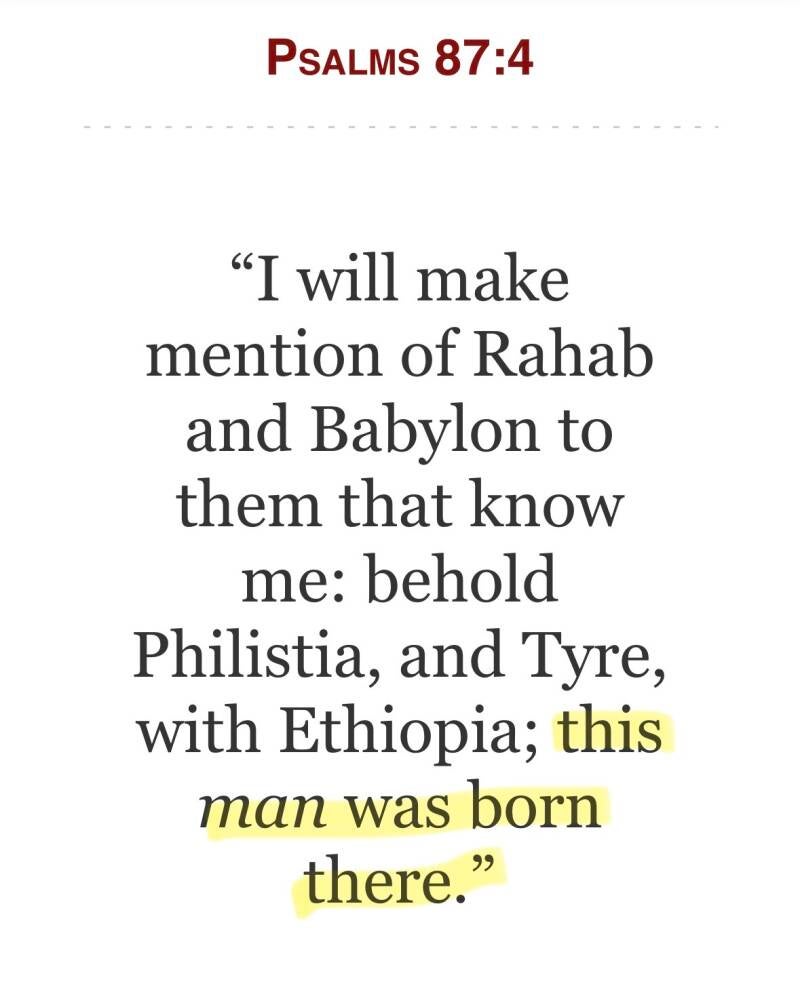
According To The Hebrew bible, This account Is surprisingly accurate, although many disagree.
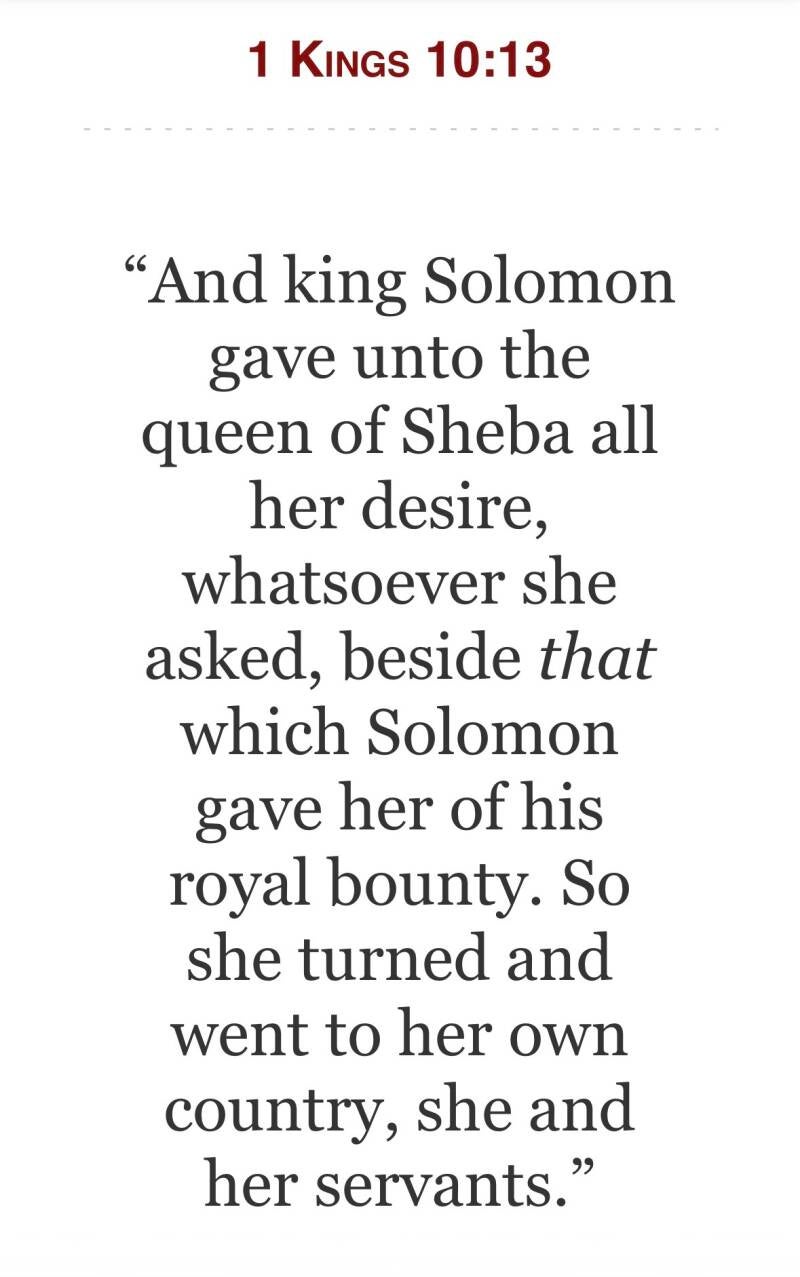
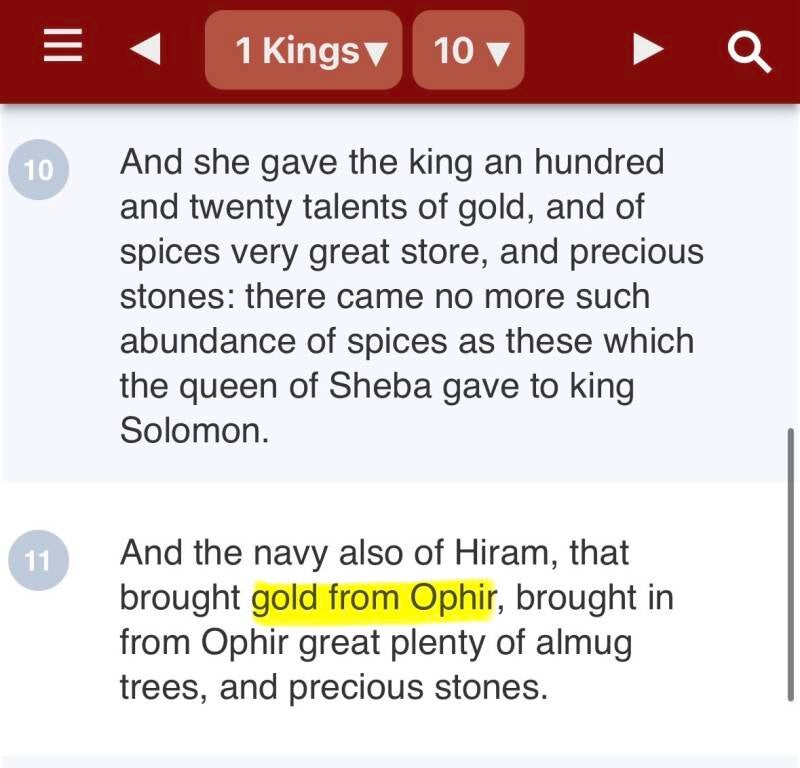
(Notice the parallel between the Book of The Kings, To The Book Of Psalms In the Bible.)

(The Queen was told to forget her own people, The King desires her beauty, The King is called Her lord, which means Husband in this Hebraic context)
(It is noteworthy to mention solomon has Hundreds of wives)

It was prophesied that Princes would come from her womb


The Descendants of The Son Of Solomon (menalek I)
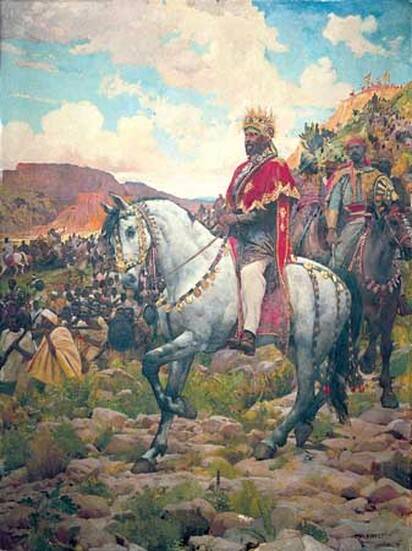
Menelik I (originally named Ebna la-Hakim, Arabic: Ibn Al-Hakim, "Son of the Wise"), The first Israelite Emperor of Ethiopia, is traditionally believed to be the son of King Solomon of ancient Israel and Makeda, Queen of Sheba.[1] He ruled around 950 BC, according to traditional sources.[2][3] Tradition credits him with bringing the Ark of the Covenant to Ethiopia, following a visit to Jerusalem to meet his father upon reaching adulthood. According to the Kebra Nagast, King Solomon had intended on sending one son of each of his nobles and one son each of each temple priest with Menelik upon his return to his mother's kingdom. Upon the death of Queen Makeda, Menelik took the throne with the new title of Emperor and King of Kings of Ethiopia.
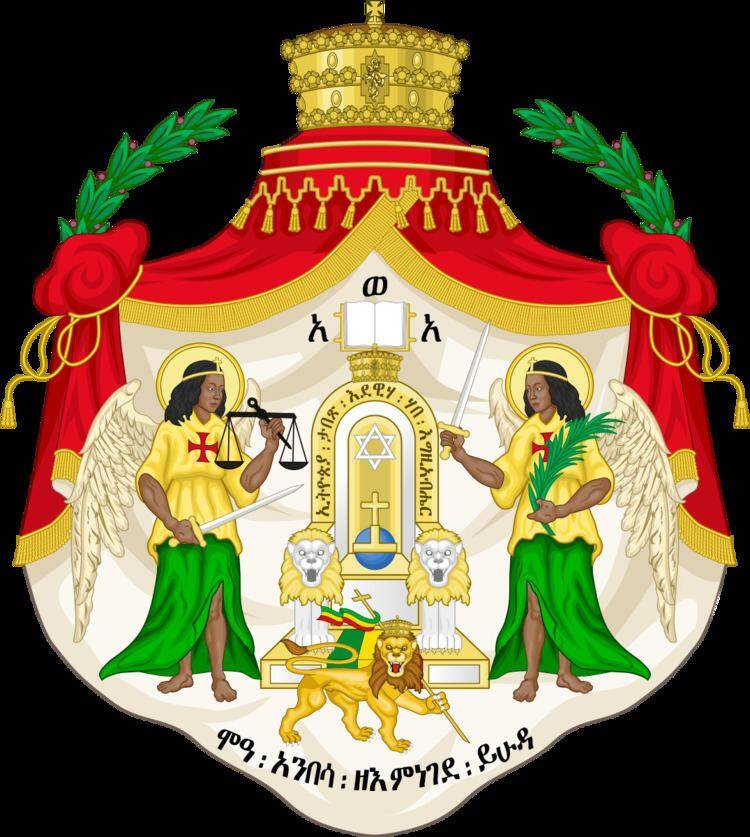
The dynasty, a bastion of Ethiopian Orthodox Christianity, came to rule Ethiopia on 10 Nehasé 1262 EC[1] (August 10, AD 1270) when Yekuno Amlak over threw the last ruler of the Zagwe dynasty. Yekuno Amlak claimed direct male line descent from the old Axumite royal house that the Zagwe's had replaced on the throne. Menelik II, and later his daughter Zewditu, would be the last Ethiopian monarch who could claim uninterrupted direct male descent from King Solomon and the Queen of Sheba (both Lij Eyasu and Emperor Haile Selassie were in the female line, Iyasu through his mother Shewarega Menelik, and Haile Selassie through his paternal grandmother, Tenagnework Sahle Selassie). The male line, through the descendants of Menelik's cousin Dejazmatch Taye Gulilat, still existed, but had been pushed aside largely because of Menelik's personal distaste for this branch of his family.
King Menelek II

Emperor Menelik II (Ge'ez ምኒልክ) baptized as Sahle Maryam (17 August 1844 – 12 December 1913), was Negus[nb 1]of Shewa (1866–89), then Nəgusä Nägäst of Ethiopia from 1889 to his death. At the height of his internal power and external prestige, the process of territorial expansion and creation of the modern empire-state had been completed by 1898. Ethiopia was transformed under Nəgusä Nägäst Menelik: the major signposts of modernization were put in place. Externally, his victory over the Italians colonists had earned him great fame: following The Battle of Adwa, recognition of Ethiopia’s independence by external powers was expressed in terms of diplomatic representation at the court of Menelik and delineation of Ethiopia’s boundaries with the adjacent colonies. Menelik II is considered an African icon and one of the most powerful black persons in history.
Create Your Own Website With Webador